Boosting Productivity in Machining with Innovative Fixture Designs
The Role of Assembly Fixtures in Enhancing Machining Productivity
Understanding Assembly Fixtures
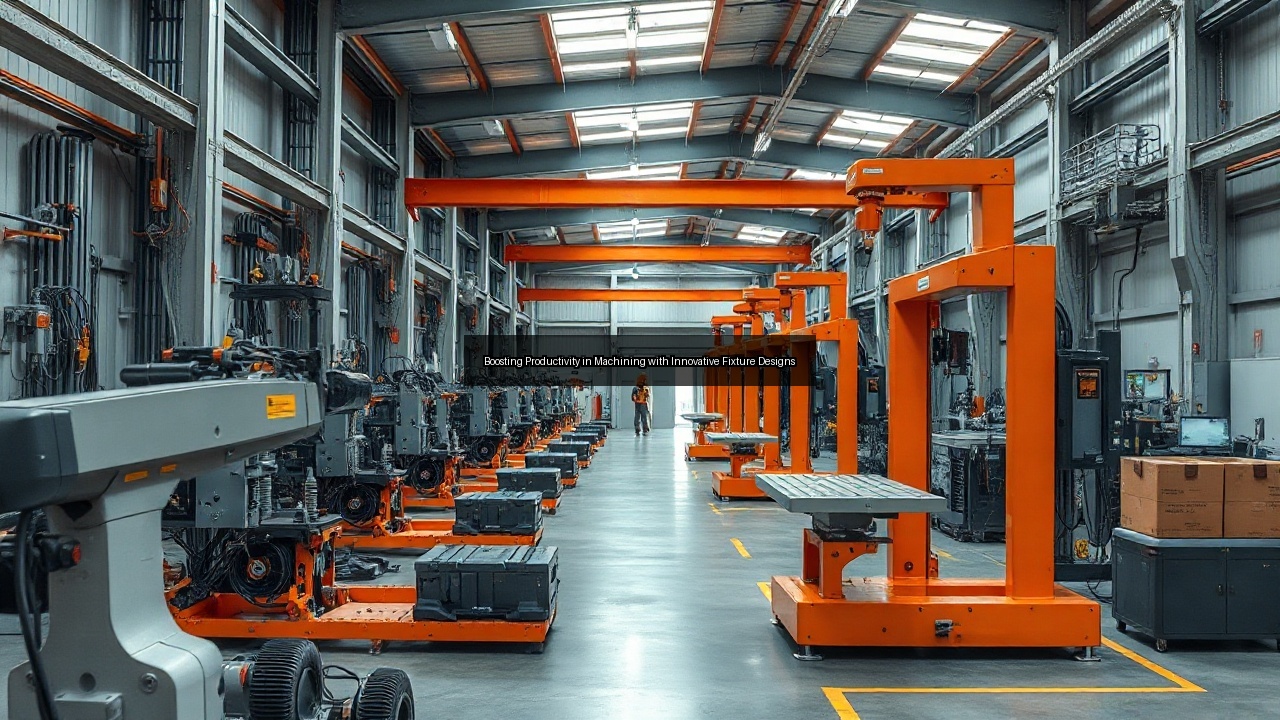
Assembly fixtures secure workpieces during machining operations to maintain consistent positioning and alignment. These devices integrate clamps, locators, and supports that hold parts firmly against cutting forces from milling and drilling. Engineers create assembly fixtures from durable hardware that withstands repeated cycles in automotive and aerospace production lines. Proper fixturing reduces setup time between batches and eliminates variations that arise from manual holding methods. Technicians rely on these tools to achieve repeatable accuracy across assemblies, which directly supports higher output rates without compromising quality standards.
Modern assembly fixtures often incorporate sensors for real-time monitoring of clamping pressure and part position, enabling predictive maintenance that further minimizes unplanned downtime. In aerospace applications, where components like turbine blades demand micron-level precision, fixtures must account for material-specific properties such as titanium's tendency to work-harden. This level of customization ensures that even intricate geometries remain stable throughout aggressive material removal rates, ultimately translating into consistent part quality and reduced scrap.
Importance of Fixtures in Manufacturing
Fixtures streamline manufacturing workflows by enabling rapid part changes and minimizing operator intervention. In high-volume environments, assembly fixtures allow teams to process multiple components in a single setup, boosting overall throughput. Manufacturers integrate them into assembly lines where precision matters most, such as engine block production or chassis fabrication. This approach cuts scrap rates and accelerates delivery schedules. Companies that invest in robust fixturing report measurable gains in daily output while maintaining tight tolerances required for complex assemblies.
Beyond throughput, well-designed fixtures contribute to lean manufacturing principles by reducing work-in-process inventory and enabling one-piece flow. For instance, in automotive plants producing transmission housings, modular fixture systems permit quick changeovers between model variants, supporting just-in-time production schedules. Data from industry case studies consistently show that optimized fixturing can improve overall equipment effectiveness by 15-25 percent through lower defect rates and faster cycle times.
How Fixtures Impact Tooling Efficiency
Effective assembly fixtures extend tool life by stabilizing parts against vibration and deflection during machining. Stable fixturing lets cutting tools maintain optimal speeds and feeds without excessive wear from chatter or misalignment. Tooling costs drop when fixtures prevent premature breakage of end mills and drills. Production engineers design layouts that distribute clamping forces evenly, protecting both the workpiece and the tool edges. This synergy between fixtures and tooling raises productivity by reducing downtime for tool replacements and sharpening sessions.
Advanced fixture designs also incorporate damping materials or tuned mass absorbers to suppress harmonic vibrations that accelerate tool wear. When machining aluminum alloys at high spindle speeds, for example, properly damped fixtures allow tools to operate closer to their theoretical maximum material removal rates. This not only lowers per-part tooling costs but also improves surface finish, often eliminating secondary finishing operations and freeing machine capacity for additional production runs.
Innovative Fixture Designs: Pushing the Boundaries of Machining
3D Printed Fixtures: Revolutionizing Production
3D printed fixtures deliver custom solutions faster than traditional machining methods. Engineers use SLS and FDM 3D printers to produce lightweight yet strong assembly fixtures tailored to specific parts. These designs incorporate complex internal channels for coolant flow or weight reduction that conventional fabrication cannot achieve economically. Automotive suppliers adopt 3D printed fixtures to shorten lead times from weeks to days. The technology also supports rapid iteration when design changes occur, keeping production lines moving without costly retooling.
Recent material advancements allow 3D printed fixtures to withstand clamping forces exceeding 10 kN while incorporating lattice structures that reduce weight by up to 60 percent. In electric vehicle battery tray manufacturing, these fixtures enable precise alignment of large, thin-walled aluminum extrusions during drilling and riveting operations, directly contributing to cycle time reductions of 30 percent or more.
Utilizing Jigs for Precision in Machining
Jigs guide tools during drilling and milling operations to ensure hole patterns and contours match engineering drawings exactly. Combined with assembly fixtures, they create a complete fixturing system that holds and locates parts simultaneously. Manufacturers employ modular jigs that adapt to different part families, reducing the need for dedicated hardware per component. This flexibility improves productivity in job shops handling varied orders. Precision jigs also lower inspection requirements because parts exit the machine already within tolerance.
Hybrid jig-fixture systems now integrate quick-release mechanisms and indexed locating pins, allowing operators to switch between part variants in under two minutes. In defense manufacturing, where tight hole-pattern tolerances on armored vehicle components are critical, such systems have demonstrated first-pass yield improvements exceeding 98 percent, significantly reducing rework and associated labor costs.
The Role of Threaded Inserts in Fixture Design
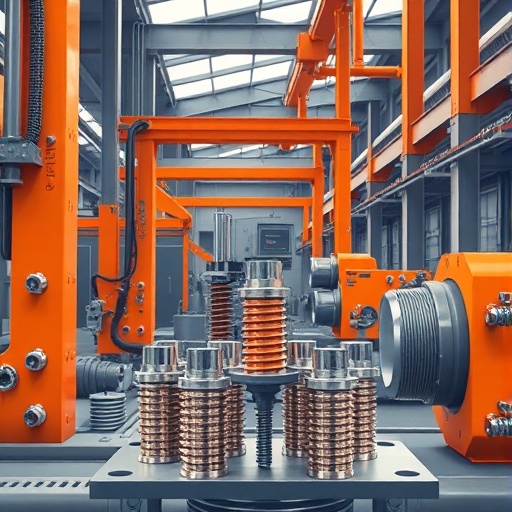
Threaded inserts reinforce clamping points in assembly fixtures made from softer materials like aluminum or composites. They provide durable threads that resist stripping under repeated torque from bolts and clamps. Designers embed these inserts during 3D print or machining processes to create strong attachment points without adding bulk. Threaded inserts simplify maintenance because worn hardware can be replaced without scrapping the entire fixture. This detail keeps long-term costs down while maintaining reliable performance across thousands of cycles.
Self-locking and keyed inserts further enhance fixture longevity by preventing rotation under dynamic loads. When used in high-volume aerospace fixture applications involving composite layup tools, these inserts maintain thread integrity through more than 50,000 clamp-unclamp cycles, ensuring consistent torque values and reducing the frequency of fixture recalibration.
Heat Management and Its Effects on Fixture Performance
Understanding Heat Generation in Machining Processes
Machining operations generate significant heat through friction between cutting edges and workpiece material. High-speed milling and drilling create localized temperatures that transfer into fixtures, causing expansion and potential distortion. Assembly fixtures exposed to sustained heat lose dimensional stability, which affects part accuracy. Engineers monitor thermal loads during process planning to predict how fixtures will behave under continuous production. Understanding these dynamics helps teams select appropriate designs and materials before problems arise on the shop floor.
Thermal modeling using finite element analysis allows engineers to anticipate fixture expansion coefficients and incorporate compensatory features such as slotted mounting holes. In titanium machining for aircraft structures, where cutting temperatures can exceed 800 °C, such predictive approaches have proven essential for maintaining positional accuracy within ±0.02 mm over extended production runs.
Strategies for Mitigating Heat Impact on Fixtures
Active cooling channels integrated into assembly fixtures remove heat before it accumulates to damaging levels. Designers position nozzles and passages to direct coolant directly at the cutting zone and fixture contact points. Some operations apply pulsed air or mist systems that reduce thermal shock while extending fixture life. Proper heat management preserves alignment features and clamping force consistency throughout long runs. These strategies protect both fixtures and workpieces from warping that would otherwise require frequent recalibration.
Phase-change materials embedded within fixture bodies offer passive thermal buffering, absorbing excess heat during peak machining loads and releasing it during idle periods. Combined with high-flow coolant manifolds, these innovations have enabled continuous 24/7 operation of aluminum engine block fixtures with thermal drift limited to less than 0.01 mm per shift.
The Role of Materials: Diamond vs. Traditional Tools
Diamond-coated tools generate less friction and therefore less heat compared with carbide or high-speed steel options during abrasive machining. When paired with thermally stable assembly fixtures, they maintain tighter process control. Traditional tooling may require more aggressive cooling strategies to protect fixtures from heat buildup. Engineers evaluate material pairings during fixture design to balance productivity gains against fixture longevity. Selecting the right tool material reduces thermal stress on fixturing hardware and supports consistent output.
Polycrystalline diamond (PCD) tooling, when matched with fixtures featuring integrated thermal breaks, allows higher material removal rates on carbon-fiber-reinforced polymers without delamination. This combination has become standard in automotive composite component production, where fixture temperature stability directly correlates with improved edge quality and reduced post-machining inspection requirements.
Best Practices for Fixture Layout and Design
Optimizing Layout for Increased Productivity
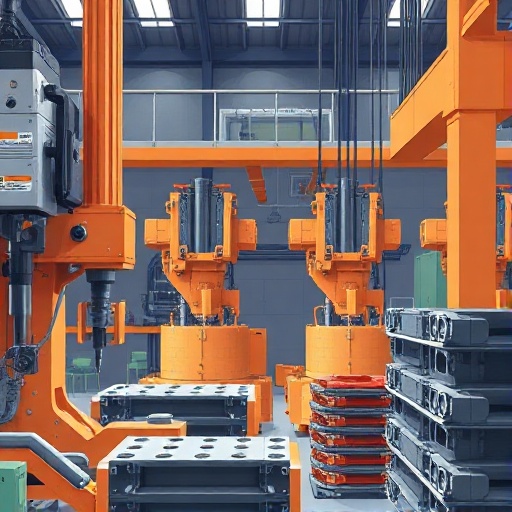
Fixture layout begins with clear access to all machining features while maintaining rigid support. Engineers place locators and clamps to avoid tool interference yet provide maximum stability. Multi-station layouts allow simultaneous processing of several parts, multiplying throughput without additional machines. Optimized layouts also simplify loading and unloading, cutting cycle times further. Teams document successful configurations so operators can replicate them across shifts and facilities.
Ergonomic considerations such as part orientation at natural operator reach heights and gravity-assisted loading further reduce handling time. In high-mix aerospace machine shops, standardized tombstone-style multi-station fixtures have enabled a single operator to manage four machining centers simultaneously, effectively quadrupling labor productivity.
Integrating Software Solutions in Fixture Design
Modern CAD and CAM software simulate fixture performance before any hardware is built. Engineers test clamping sequences, collision avoidance, and thermal effects within virtual environments. Simulation reduces physical prototypes and accelerates design approval. Software also generates bills of materials and toolpaths directly from the fixture model, streamlining handoff to manufacturing. This digital workflow improves accuracy and shortens the time from concept to production-ready assembly fixtures.
Integration with digital twin platforms now allows real-time synchronization between simulated and physical fixtures, feeding shop-floor sensor data back into design iterations. This closed-loop approach has reduced fixture commissioning time by up to 40 percent in automotive powertrain plants while ensuring that theoretical performance predictions match actual production results.
Cost-Effective Design Strategies for Assembly Fixtures
Modular fixture systems reuse base plates and components across multiple projects, lowering per-part costs. Designers standardize clamping elements and locator pins to simplify inventory management. When 3D printing is viable, low-volume fixtures avoid expensive machining while still meeting strength requirements. Regular reviews of fixture performance identify opportunities to consolidate parts or reduce material usage. These strategies keep capital expenditures in check while delivering reliable productivity improvements.
Value-engineering exercises often reveal opportunities to replace machined steel components with cast or printed alternatives without sacrificing rigidity. Across multiple facilities, such standardization initiatives have lowered fixture-related capital spending by 20-35 percent while improving spare-parts availability and reducing mean time to repair.
Future Trends in Fixture Technology: What to Expect
The Impact of 3D Printing on Fixture Innovation
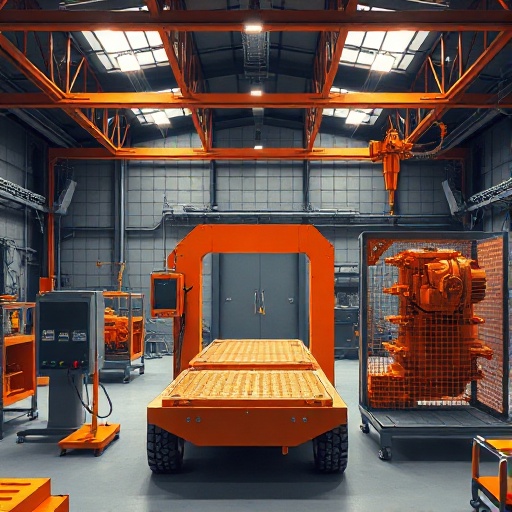
Advancements in 3D printing continue to expand fixture complexity and speed of delivery. New polymer and metal powders enable fixtures that withstand higher loads and temperatures than earlier generations. On-demand 3D print services let smaller shops access custom fixturing without owning equipment. As printer build volumes grow, manufacturers will produce larger assembly fixtures in single pieces, eliminating joints that can introduce error. This evolution supports faster response to changing production demands.
Multi-material printing capabilities are emerging that combine rigid structural zones with compliant damping regions in a single build, potentially eliminating separate vibration-control components. Early adopters in the motorsport sector already report fixture lead-time reductions from six weeks to under four days using these next-generation processes.
Exploring New Materials for Fixture Fabrication
Engineers test carbon-fiber composites and ceramic matrix materials for fixtures that combine light weight with extreme stiffness. These options reduce machine load during high-speed operations while resisting heat better than metals in some applications. Hybrid constructions blend traditional steel bases with printed or composite elements to optimize cost and performance. Continued material research promises fixtures that last longer under aggressive machining conditions common in automotive and aerospace work.
Graphene-enhanced polymers and shape-memory alloys are under investigation for fixtures that can self-adjust clamping force in response to thermal or mechanical stimuli. These smart materials could further reduce setup variability and extend fixture service life in demanding production environments.
Advancements in Welding and Soldering Techniques for Fixtures
Improved welding processes produce stronger, distortion-free joints in steel and aluminum fixture frames. Laser and friction stir welding create precise seams that maintain alignment features after heat treatment. Soldering techniques now join dissimilar materials reliably, allowing designers to combine thermal conductivity benefits with structural strength. These advances expand fixture design options and reduce reliance on mechanical fasteners that can loosen over time. Stronger welded and soldered assemblies support higher productivity through greater durability.
Electron-beam welding of high-strength fixture frames enables near-net-shape constructions that minimize subsequent machining, lowering both material waste and lead times. When combined with automated inspection of weld integrity, these techniques deliver fixtures capable of maintaining sub-micron repeatability even after thousands of thermal cycles in high-volume production.