How to Maintain Your Barrel Gauge for Longevity and Accuracy
Understanding Barrel Gauges
Types of Barrel Gauges
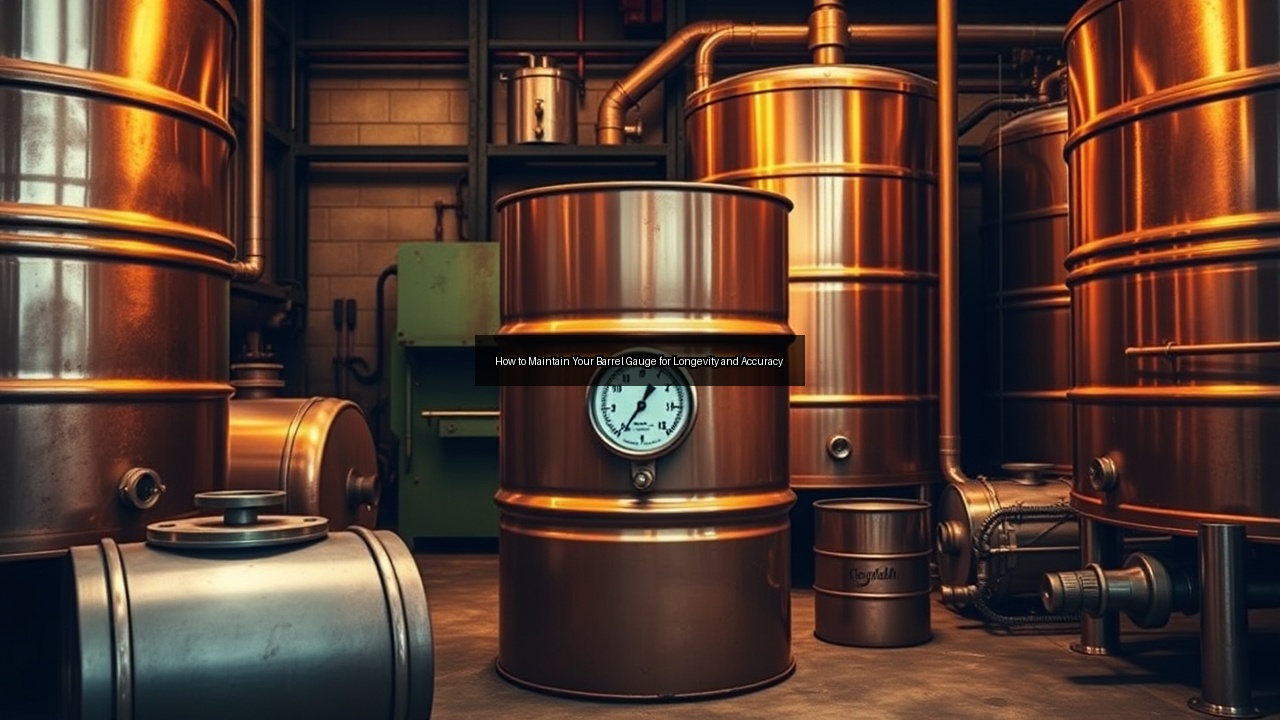
Barrel gauges serve a critical role in measuring the contents of barrels and tanks, especially in industries like manufacturing, agriculture, and chemical processing. Various types of barrel gauges exist, each designed for specific applications. Mechanical barrel gauges often employ a float mechanism to provide readings based on the liquid level inside a barrel or tank, typically a 55-gallon drum. Digital barrel gauges offer enhanced precision, using electronic sensors to relay data on liquid levels. These digital versions often come equipped with additional features such as data logging and remote monitoring capabilities. In contrast, pressure gauges measure the pressure exerted by liquids within a tank, providing readings that can indicate both the level and nature of the contents. Understanding these types of gauges allows users to select the right tool for their measuring needs while ensuring optimal performance.
Importance of Accuracy in Measurement
Measurement accuracy stands as a cornerstone in operations involving barrel gauges. Even slight discrepancies in readings can lead to significant consequences, such as overfilling, underfilling, or mismanagement of inventory. In industrial settings, accurate measurements help maintain compliance with safety regulations, especially when dealing with hazardous materials stored in tanks. Additionally, measurement accuracy ensures operational efficiency; inaccurate readings can lead to wastage, affecting both time and resources. In the United States, industries rely heavily on precise measurements for quality control, inventory management, and financial accountability. Regularly maintaining your barrel gauge enhances its accuracy, which ultimately contributes to smoother operations and a more reliable workflow.
Essential Maintenance Practices
Cleaning Your Barrel Gauge
Regular cleaning of your barrel gauge is essential for maintaining its accuracy and longevity. Residue buildup from liquids can obstruct measurements and lead to erroneous readings. Begin the cleaning process by disconnecting the gauge from the barrel or tank to prevent contamination or accidents. Use a soft cloth or sponge moistened with a mild detergent solution to wipe down the exterior of the gauge. For internal components, such as floats or sensors, utilize a brush with soft bristles to dislodge any stubborn debris. Rinse thoroughly with clean water to remove any soap residue, which could interfere with measurements. Ensure the gauge is completely dry before reconnecting it to the barrel or tank. Depending on the frequency of use and the type of liquids measured, perform this cleaning process regularly—at least once a month—to ensure optimal performance of your gauge.
Calibration Techniques for Precision
Calibration is another vital aspect of maintaining a barrel gauge. Inaccurate readings can stem from various factors, including wear and tear or environmental changes. To calibrate your gauge, start by using a reference standard, such as a calibrated measuring stick or another reliable gauge. Fill the barrel or tank with a known quantity of liquid and compare the gauge reading to this standard. Adjust the gauge according to the manufacturer’s instructions until the readings align. You may need to perform this calibration process periodically or when you notice discrepancies in measurements. Factors like temperature fluctuations can affect calibration; thus, check your gauge regularly, especially if used in varying environmental conditions. Proper calibration not only enhances measurement accuracy but also extends the lifespan of the gauge.
Inspecting for Wear and Tear
Regular inspection for wear and tear is crucial for the longevity of your barrel gauge. Over time, components can deteriorate due to exposure to harsh chemicals, physical stress, or environmental conditions. Begin your inspection by examining the exterior of the gauge for any visible damage, such as cracks or corrosion. Next, focus on internal components, such as floats or sensors, which can wear out or become stuck. If you notice any signs of wear, replace the affected parts promptly to prevent further damage. Additionally, check seals and gaskets for leaks, as these can compromise the accuracy of measurements. Keeping a log of inspections and maintenance activities helps track the performance of your gauge over time, making it easier to identify patterns and potential issues before they escalate into more significant problems.
Storage and Handling Tips
Best Practices for Storing Barrel Gauges
Proper storage significantly impacts the lifespan and accuracy of barrel gauges. Store gauges in a dry, temperature-controlled environment to protect them from humidity and extreme temperatures, which can lead to corrosion and malfunction. If possible, keep them in their original packaging or a protective case to prevent physical damage. Avoid placing heavy items on top of stored gauges, as this can lead to bending or breaking. Additionally, keep gauges away from direct sunlight and harsh chemicals that could degrade their materials. If you use multiple types of gauges, organize them clearly to prevent confusion and ensure you can quickly access the necessary equipment when needed. Following these best practices minimizes risks and helps maintain the integrity of your barrel gauges over time.
Transporting Gauges Safely
Transporting barrel gauges requires careful handling to avoid damage that could affect measurement accuracy. When preparing for transport, securely pack the gauge in protective cushioning, such as bubble wrap or foam, to prevent movement during transit. If possible, use a hard case designed for gauge storage, which provides additional protection against impacts. Label the package clearly to indicate that it contains fragile equipment. During transport, avoid exposing the gauge to extreme temperatures or moisture, as these conditions can lead to calibration issues or physical damage. Upon arrival at the destination, inspect the gauge for any signs of damage before use. Following safe transportation practices ensures that your barrel gauge remains in top condition, ready for accurate measurements whenever you need it.
Troubleshooting Common Issues
Identifying Measurement Inaccuracies
Despite regular maintenance, you may encounter measurement inaccuracies with your barrel gauge. Start troubleshooting by checking the gauge for visible damage or obstructions. Ensure that the gauge is properly calibrated, as discrepancies in readings can arise from improper calibration. If the gauge uses a float, verify that it moves freely and is not stuck due to debris or residue buildup. For digital gauges, inspect the battery and electronic components, as low power or faulty sensors can lead to erroneous readings. If you still encounter inaccuracies, compare your gauge’s readings with another reliable measuring tool to determine if the issue lies with the gauge or the measuring process itself. Identifying and addressing these inaccuracies promptly maintains the efficiency of your operations.
Dealing with Environmental Factors
Environmental factors can significantly impact the functionality of barrel gauges. Temperature fluctuations can cause liquids to expand or contract, leading to misleading measurements. To mitigate this issue, consider using gauges designed to compensate for temperature variations. Humidity can also pose a threat, especially for electronic gauges, as moisture can corrode internal components. Store and operate gauges in environments with controlled humidity levels whenever possible. Dust and debris can accumulate, affecting mechanical parts; therefore, regular cleaning and maintenance are essential. By understanding the influence of environmental factors on your barrel gauge, you can take proactive measures to minimize their impact, ensuring reliable and accurate measurements.
See Also
- Innovative Barrel Gauges Revolutionizing the 55 Gallon Drum Industry
- How Barrel Gauges Transform Industrial Tank Management
- Why Barrel Gauges Are Critical for Compliance in Hazardous Materials
- How to Choose the Right Barrel Gauge for Your 55 Gallon Drum
- Top 5 Barrel Gauge Brands You Should Know About