Automatic Lubrication Systems vs Manual Greasing Which is More Reliable
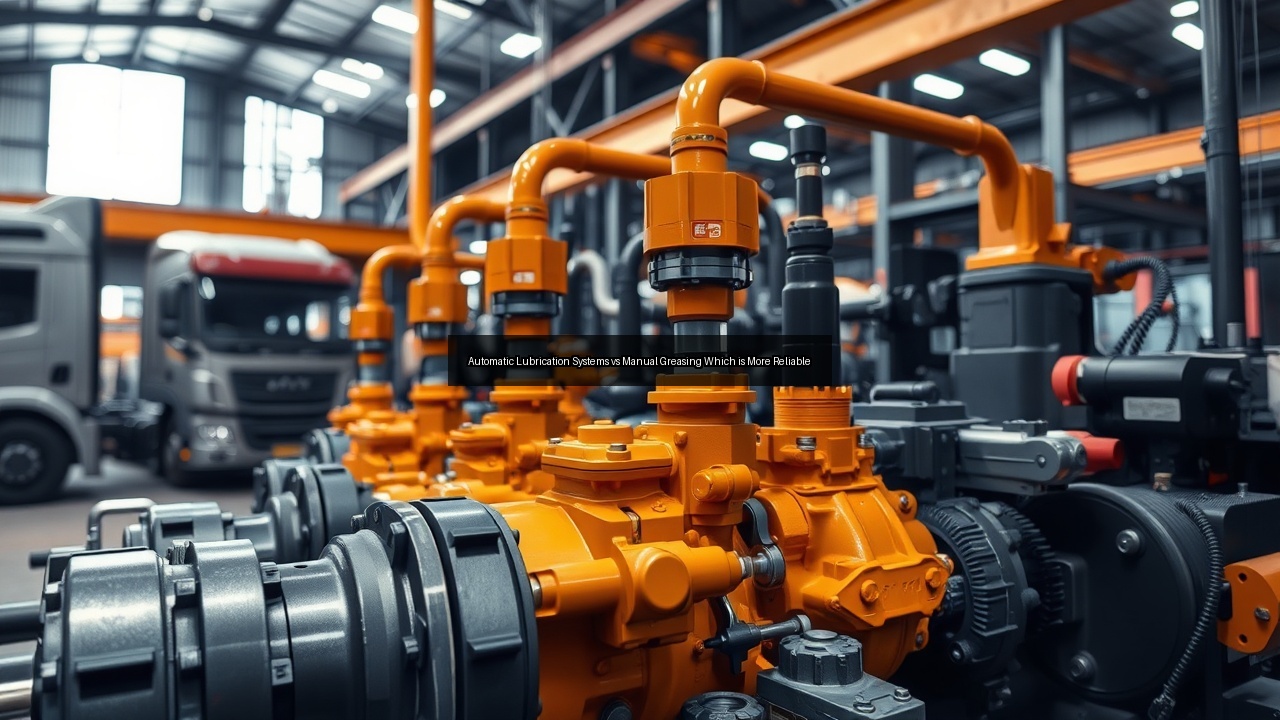
Understanding Automatic Lubrication Systems
Key Components of Automatic Lubrication Systems
Automatic lubrication systems, often referred to as auto lube systems, consist of several key components that work together to ensure efficient lubrication of machinery. At the core of these systems is the pump, which delivers lubricant to various points within the machinery, such as bearings and other critical components. These pumps can be electrically driven or pneumatically operated, depending on the system's design and the application requirements. Other essential components include lubricant reservoirs, which store the lubricant, and various connectors and distribution lines that transport the lubricant to designated lubrication points. Automatic lubricators, or greasers, are also an integral part of these systems, dispensing the correct quantity of lubricant at regular intervals to maintain optimal machine performance.
How Automation Enhances Reliability
Automation significantly enhances the reliability of lubrication systems. By using an automated lubrication automatic lubrication system, operators can eliminate human error associated with manual greasing techniques. Automated systems deliver precise amounts of lubricant at scheduled intervals, ensuring that components receive consistent lubrication. This consistency reduces the risk of over-lubrication or under-lubrication, both of which can lead to premature wear and failure of machinery. Additionally, automation allows for better monitoring of lubricant levels, making it easier to manage inventory and ensuring that equipment runs smoothly without unexpected interruptions. The integration of condition monitoring technology further boosts reliability, as it provides real-time data on equipment performance and lubrication needs, allowing for proactive maintenance.
Types of Automatic Lubricators: Pumps and More
Various types of automatic lubricators exist, catering to different applications and needs. The most common types include progressive systems, single-line systems, and dual-line systems. Progressive systems utilize a series of pumps that distribute lubricant through a network of lines to multiple points, ensuring even coverage. Single-line systems, on the other hand, rely on a single pump that feeds lubricant to several lubrication points in a linear fashion, making it ideal for smaller applications. Dual-line systems are designed for larger machinery, using two parallel lines to deliver lubricant, allowing for higher pressure and greater volume. Each type of automatic automatic lube system lubrication system is designed to provide automatic lube systems specific benefits, making it essential to choose the right one based on the equipment being serviced, such as trucks, trailers, or compressors.
Manual Greasing: The Traditional Approach
Common Manual Greasing Techniques
Manual automated lubrication greasing remains a popular lubrication method, particularly in smaller operations or settings where automated systems may not be feasible. Common techniques include using grease guns, hand-operated pumps, and grease cups. Grease guns allow operators to apply lubricant directly to the bearing or component, while hand pumps can dispense lubricant in larger quantities. Grease cups provide a slow and controlled release of lubricant. While these methods may seem straightforward, they require skilled personnel to ensure proper lubrication practices are followed. The timing and amount of lubricant applied relies heavily on human judgment, which can lead to inconsistencies and potential damage when not executed correctly.
Challenges and Limitations of Manual Greasing
Manual greasing poses several challenges and limitations that can impact machinery reliability and maintenance costs. One major drawback is the inconsistency in lubricant application. Human operators may overlook lubrication points or fail to apply the correct amount of lubricant, leading to either over-lubrication or under-lubrication. These errors can result in increased wear and tear on machinery, ultimately leading to costly repairs and maintenance. Additionally, manual greasing requires frequent downtime for maintenance checks, disrupting operations and affecting productivity. The labor-intensive nature of manual greasing can also lead to increased labor costs, especially in environments where equipment operates continuously, such as in data centers or heavy-duty trucking operations.
Maintenance Costs Associated with Manual Greasing
The maintenance costs associated with manual greasing can accumulate significantly over time. Regularly scheduled greasing intervals can create labor costs that add up, particularly for larger fleets of trucks or extensive machinery setups. Moreover, the risk of equipment failure due to inadequate lubrication can lead to costly repairs and unplanned downtime. Each breakdown not only incurs repair costs but can also result in lost revenue due to halted operations. In contrast, an automatic lubrication system streamlines maintenance processes and can drastically reduce these costs by ensuring that equipment remains operational with minimal intervention. The initial investment in an automatic lubrication system often pays off in the long run, given its ability to enhance reliability and reduce overall maintenance expenses.
Comparing Reliability: Automatic vs. Manual
Factors Influencing Reliability in Lubrication Systems
Reliability in lubrication systems hinges on several factors, including the method of lubrication, the quality of the lubricant, and the maintenance practices employed. Automatic lubrication systems offer a clear advantage in reliability due to their ability to maintain consistent lubrication output. With automated systems, the potential for human error diminishes, leading to fewer incidents of equipment failure. Conversely, manual greasing relies heavily on the skill and diligence of the operator, which can lead to variations in lubrication effectiveness. Furthermore, the choice of lubricant plays a crucial role in system reliability. High-quality lubricants can withstand high pressures and temperatures, offering better protection for machinery components compared to lower-grade options.
Impact of Lubricant Quantity and Quality
The quantity and quality of lubricant used directly affect the longevity and performance of machinery. Automatic lubrication systems are engineered to dispense the precise amount of lubricant required for optimal performance, reducing waste and ensuring that critical components like bearings receive adequate lubrication. This precision is vital in high-load, high-speed applications, where insufficient lubrication can lead to catastrophic failures. On the other hand, manual greasing can often lead to inconsistent lubricant application, where operators may either apply too much or too little, diminishing the lubricant's effectiveness. Over time, using the wrong quantity or quality of lubricant can severely impact machinery reliability, leading to increased maintenance costs and downtime.
Condition Monitoring and Its Role in Reliability
Condition monitoring plays a pivotal role in enhancing the reliability of lubrication systems. Automatic lubrication systems often integrate advanced monitoring technologies that track lubricant levels, operating temperatures, and system pressure. This data allows operators to identify potential issues before they escalate into major problems, ensuring that machinery continues to operate efficiently. For manual greasing systems, condition monitoring is typically less sophisticated, relying on visual inspections and manual checks. While these methods can provide some insights, they lack the real-time data that automated systems offer. By adopting an automatic lubrication system, businesses can leverage condition monitoring to make informed decisions about maintenance, ultimately enhancing machine reliability and lifespan.
Choosing the Right Lubrication System for Your Needs
Assessing Your Equipment: Trucks, Trailers, and Compressors
Choosing the right lubrication system involves assessing the specific needs of your equipment, whether it be trucks, trailers, or compressors. Each type of machinery has unique lubrication requirements based on operational conditions, load capacity, and frequency of use. For example, heavy-duty trucks and trailers benefit from automatic lubrication systems that can maintain consistent lubrication under rigorous conditions, minimizing wear and preventing costly breakdowns. Compressors, which often operate under high pressure and temperature, also require precise lubrication to function optimally. Analyzing the operational demands of your equipment helps in selecting the appropriate automatic lubrication system that will enhance performance and reliability.
Brands and Technologies in Automatic Lubrication
Numerous brands and technologies offer innovative solutions in the realm of automatic lubrication systems. Companies such as Graco, Lincoln, and SKF provide a range of lubrication solutions tailored to diverse industrial applications. These brands leverage advanced technology to create efficient, reliable lubrication systems that cater to the specific needs of various industries. Innovations in pump technology, including variable-speed pumps and high-pressure systems, enhance the versatility of automatic lubrication systems. As technology continues to evolve, businesses have the opportunity to invest in modern lubrication solutions that improve equipment reliability and reduce maintenance efforts.
The Future of Lubrication: Innovations and Trends
The future of lubrication technology points toward increased automation and integration with IoT (Internet of Things) systems. As industries continue to embrace automation, lubrication systems will also evolve to incorporate smart technologies that provide real-time monitoring and predictive maintenance capabilities. This trend enables businesses to optimize their maintenance schedules and reduce downtime significantly. Additionally, advancements in lubricant formulations will enhance performance, offering better protection against wear and tear while being more environmentally friendly. Companies that stay ahead of these trends will likely see improved efficiency and reduced maintenance costs, making the transition to automatic lubrication systems a strategic move for long-term success.
See Also
- Eliminating Downtime The Role of Automated Lubrication in Modern Industries
- How to Select the Right Greaser for Your Automatic Lubrication Needs
- How to Troubleshoot Common Issues in Automatic Lubrication Systems
- The Impact of Automation on Repair and Maintenance Costs
- Maximizing Equipment Lifespan with Advanced Lubrication Technology